
The indoor side of Colorado life
Colorado home life, adjusted for altitude
Thin air and a dry climate change how a cake rises, how long pasta takes, how your skin and floors feel in January, and how a visiting sister sleeps on her first night. This guide covers all of it, one room at a time.
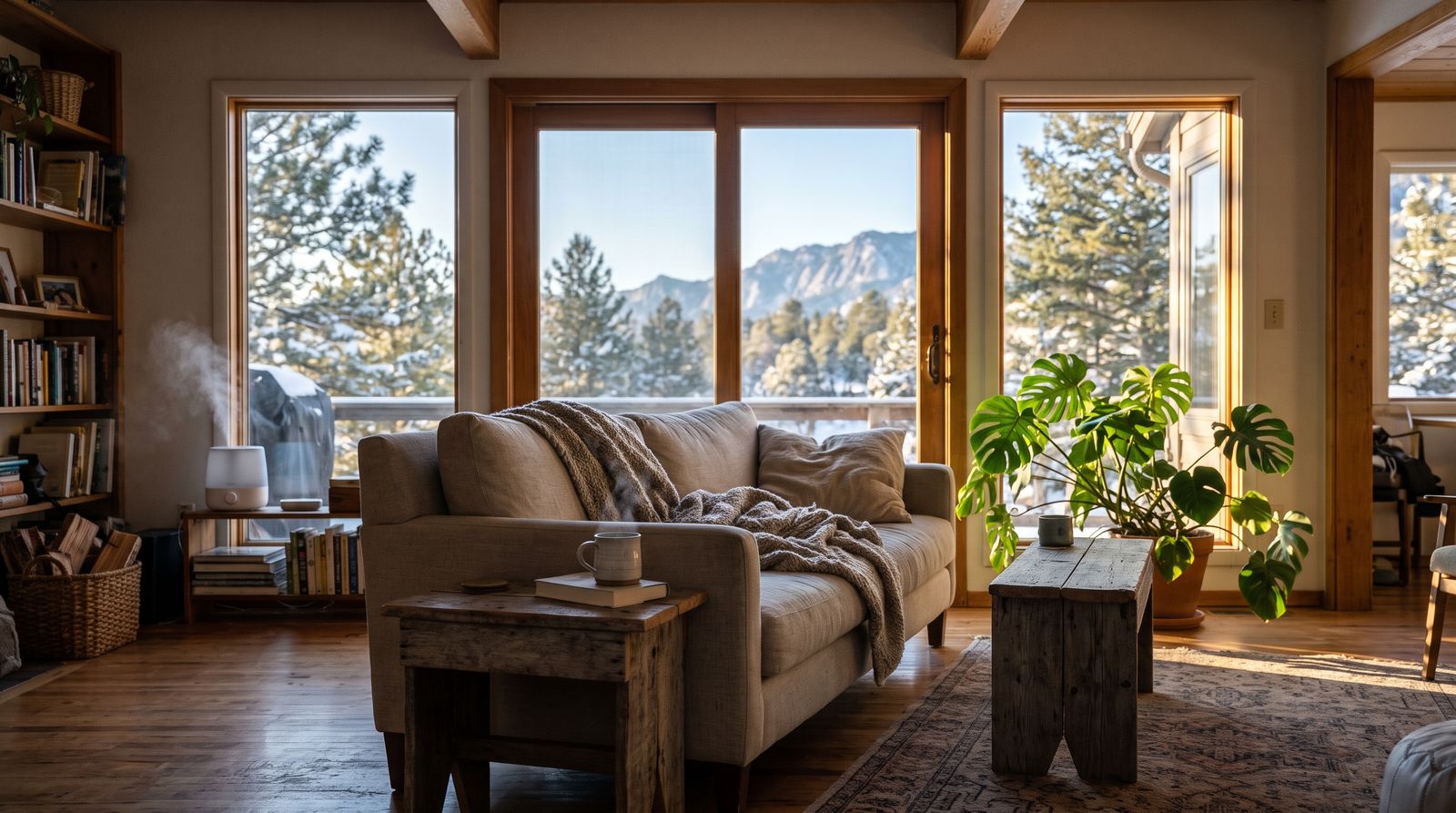
Start with your elevation
Every tool on the site reads this number. Pick a town or slide to your own address. It is saved in your browser, nowhere else.
- Water boils near
- °F versus 212°F at sea level
- Air pressure
- % of sea-level pressure, roughly
- Where to start
- Baking adjuster or the candy chart
Six guides, three rooms
Pick the part of the house that is giving you trouble
Each guide is written for Colorado conditions specifically: real elevations, a dry continental climate and long, sunny, cold winters.
- 01Kitchen High-altitude baking Why cakes fall and cookies spread above 3,000 feet, and the small recipe changes that fix it.
- 02Kitchen Cooking at altitude Lower boiling points, slower beans, candy temperatures and the case for a pressure cooker.
- 03Air Dry air and indoor humidity Static, cracked lips and gapped floorboards: how to humidify a Colorado home without fogging the windows.
- 04Air Houseplants at altitude Bright sun, thin dry air and fast-drying soil. Plants that cope, and care habits that help the rest.
- 05Season Staying comfortable through a Colorado winter Use winter sun, tame drafts and dry heat, and keep the house pleasant through cold snaps and chinooks.
- 06Season Hosting guests who are new to altitude A guest room, a first-day plan and a pantry that help sea-level visitors settle in.
Why the house behaves differently
Less air above you changes more than your breathing
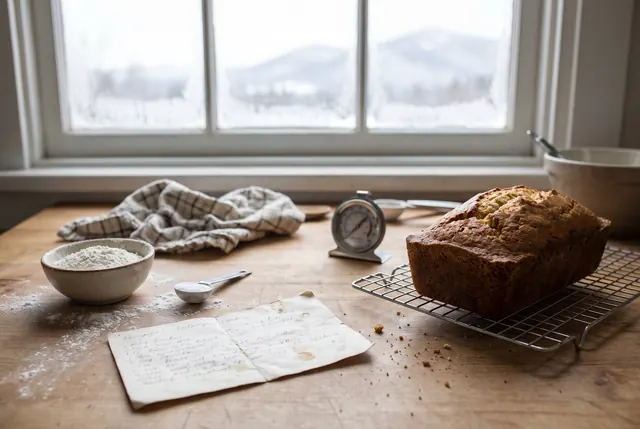
Air pressure drops as you climb. In Denver there is roughly a fifth less air pressing down than on the coast. That one fact explains a surprising amount of home life: bubbles in batter expand faster and pop sooner, water boils before it gets truly hot, and moisture evaporates out of dough, soil, skin and wood more quickly.
Colorado adds a second factor: the climate is dry, and winter heating makes indoor air drier still. Cold outdoor air carries little moisture to begin with, and once a furnace warms it up, its relative humidity can fall well below what feels comfortable.
None of this is a crisis. It just means sea-level advice needs adjusting. That is what the guides below do, using your own elevation wherever a number matters.
A winter day at altitude
Where altitude shows up between breakfast and bedtime
-
Morning
Static and a dry throat
Overnight heat pulls indoor humidity down. A hygrometer by the bed tells you whether the humidifier is keeping up or overdoing it.
Set a humidity target -
Midday
Strong sun on the sill
Clear winter skies pour light through south windows. Great for warmth and succulents, harsh for a fern that came from a florist.
Match plants to your windows -
Afternoon
A cake that sinks
Too much leavening for the air pressure is the usual culprit. Small cuts to baking powder and sugar fix most of it.
Adjust a recipe -
Evening
Guests with a headache
Visitors from low elevations often feel the first night most. Water, a light dinner and a quiet evening go a long way.
Plan their first 48 hours
Winter comfort
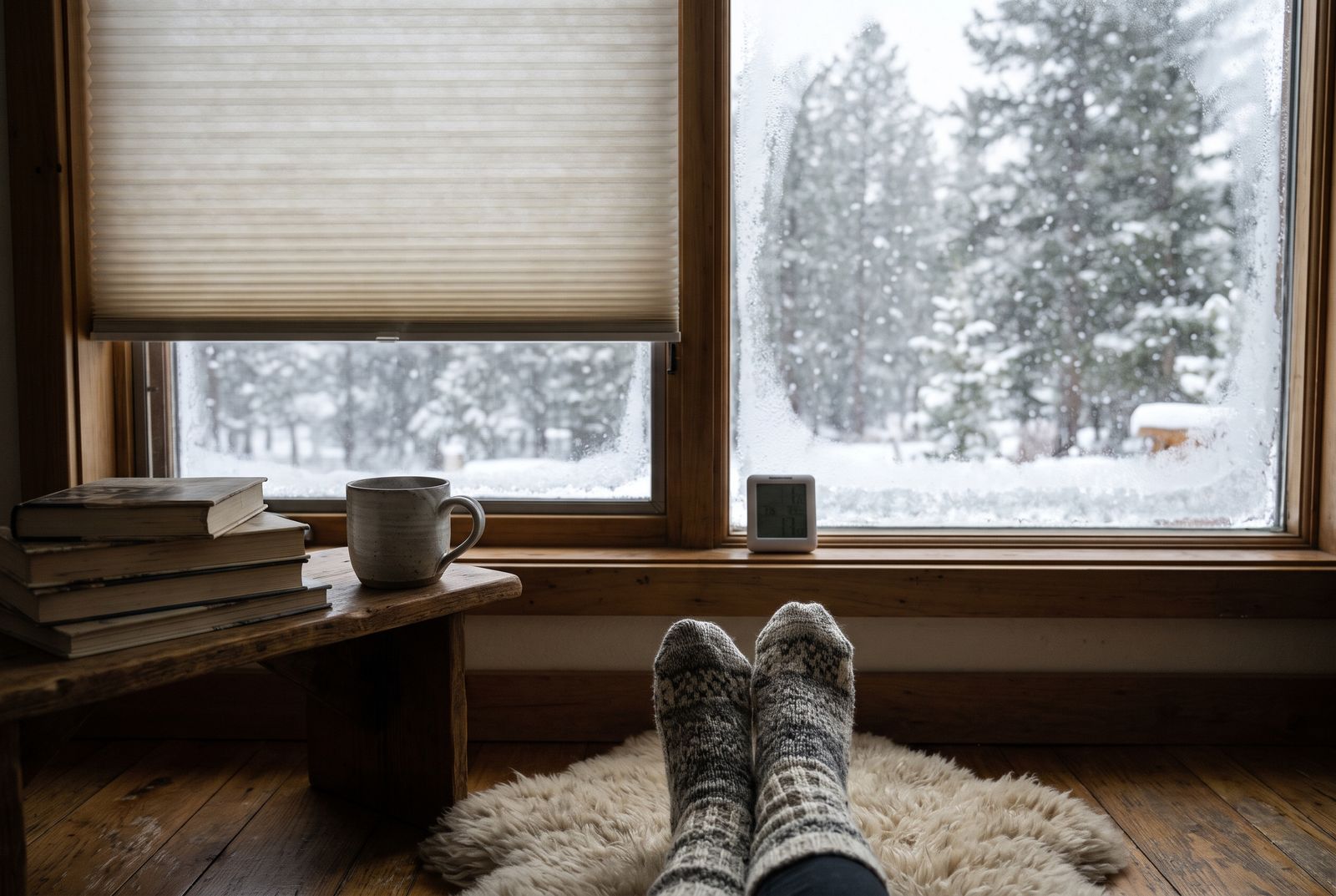
The best Colorado winter days are spent inside, warm and watching the snow.
Comfort here is mostly about three things: using the sun, keeping drafts in check and holding humidity in a sensible range. The winter guide walks through each, room by room.
Quick answers
Questions people ask after moving here
Short answers, with links to the full guide when there is more to say.
Do I really need to change recipes in Denver?
Often, yes, but not always. Yeast breads, cookies and dense brownies usually work with small tweaks, while airy cakes and quick breads are the most likely to rise and then sink. Our high-altitude baking guide explains what to change first and why.
What indoor humidity should a Colorado home aim for in winter?
A common target is somewhere between 30 and 50 percent, but on very cold nights the real limit is your windows. If water or frost forms on the inside of the glass, the air is wetter than the house can hold. The dry air guide has a temperature-based chart you can adjust live.
Why does water boil faster but cook food slower up here?
Lower air pressure lets water boil at a lower temperature, close to 202°F in Denver instead of 212°F. The pot reaches a boil sooner, but the water is cooler, so pasta, beans and eggs take longer. See cooking at altitude for timing changes.
How can I help visiting family feel better at altitude?
Plan an easy first day or two, keep water within reach, go light on alcohol early on, and set up the guest room with a humidifier and an extra blanket. Our hosting guide includes a printable prep checklist. Anyone with heart or lung conditions should talk to their own doctor before the trip.
Is this site connected to a utility, store or government agency?
No. Colorado At Home is an independent informational site. We do not sell products, and nothing here is paid placement. If you spot something that needs correcting, the contact page reaches us directly.
Have a question about your own kitchen, plants or spare room?
Send it in. Good questions shape the next guides, and corrections are always welcome.